.avif)
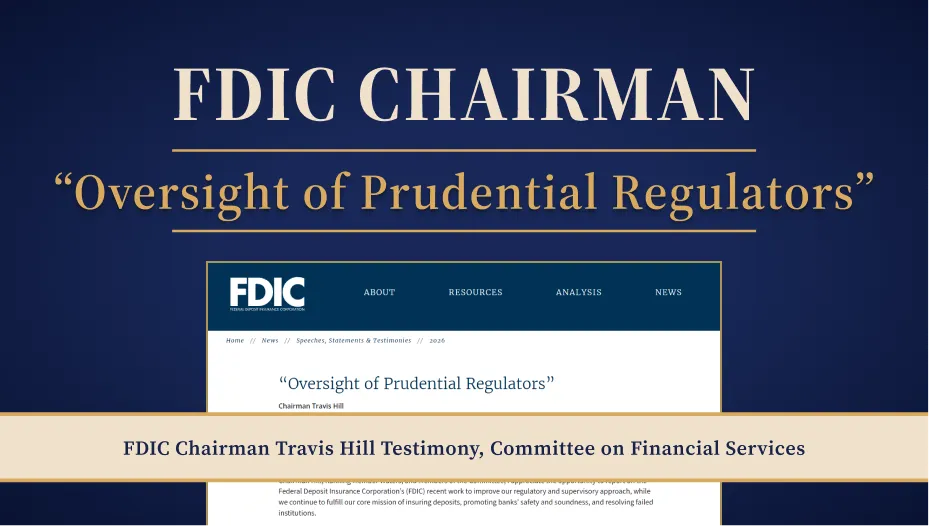
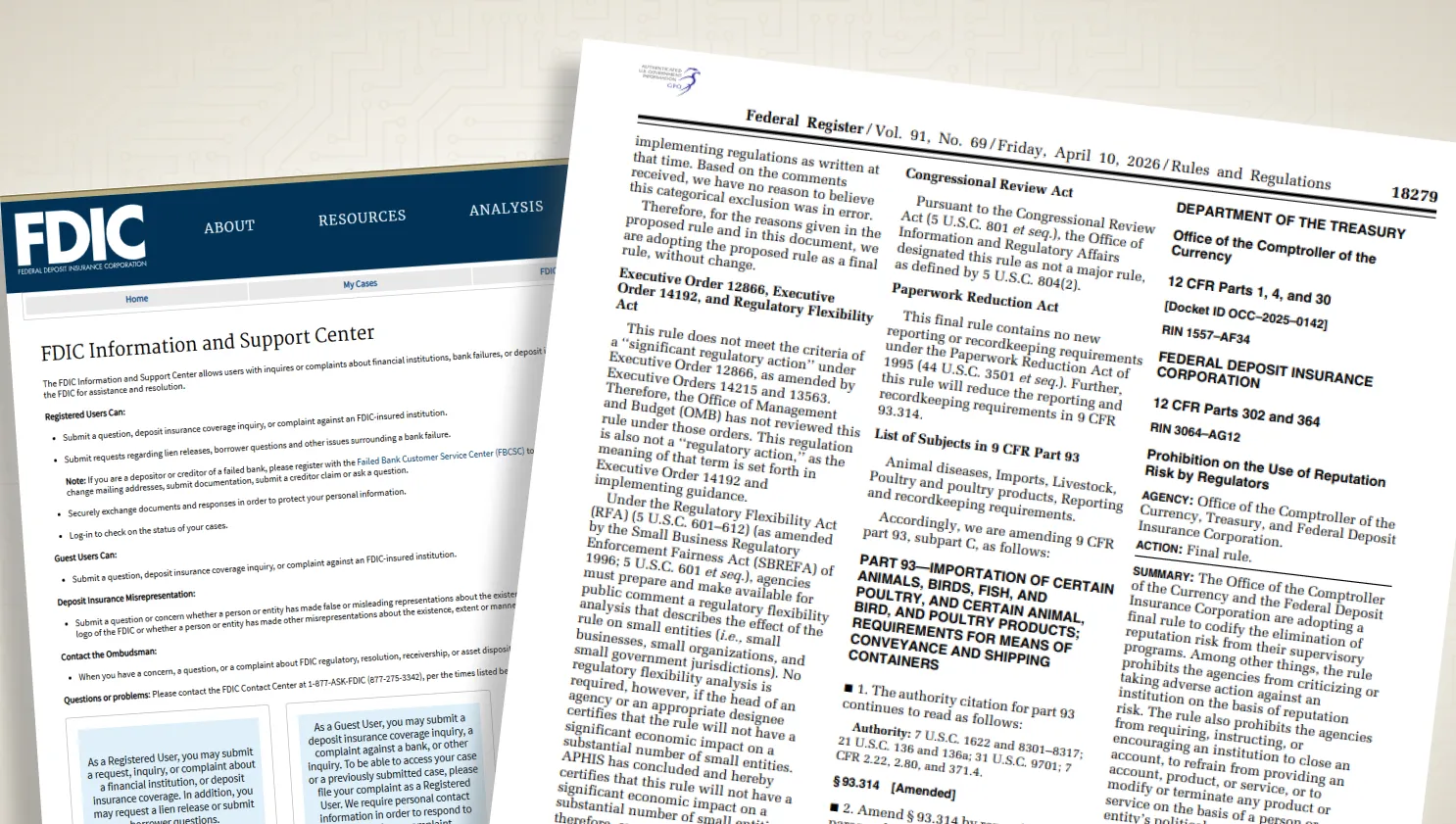
NETBankAudit has recently observed a notable shift in the FDIC IT examination process. Several institutions are encountering examiner expectations that differ from the familiar URSIT model, and those relying on legacy preparation strategies may find themselves unprepared.
Recent examination experiences indicate that regulators are taking a more holistic and direct approach to IT examinations rather than the traditional segmented method. Accordingly, current conditions and risks are being evaluated in a less structured manner. This guide outlines the changes institutions should understand going forward to help ensure smooth, successful examinations.
NETBankAudit’s experts have decades of experience supporting institutions through regulatory change. If you have questions about these evolving exam practices or need guidance, please contact our team.
FDIC IT Exam Structure in 2026: Field Observations on the Shift from URSIT
Examiners Moving Away from URSIT Components
Recent exams in the Mid-Atlantic region have shown a move away from the traditional URSIT components of Management, Audit, Development & Acquisition, and Support & Delivery, to a more direct focus on Governance, Cybersecurity, Business Continuity Planning, Vendor Management, and Audit. As such, examiners are shifting to a single overall IT rating, and the prior approach of combining multiple component ratings into a composite score will no longer be used.
Regional Trend or Nationwide Change?
While these changes were first observed in the Mid-Atlantic, this approach may not be limited by region or agency. NETBankAudit is actively monitoring the trend, and early signs suggest that institutions across the country should be prepared for this new examination structure.
FFIEC CAT Replacement: Examiner Attention and Field Lessons
CAT Replacement Is Now a Core Examiner Check
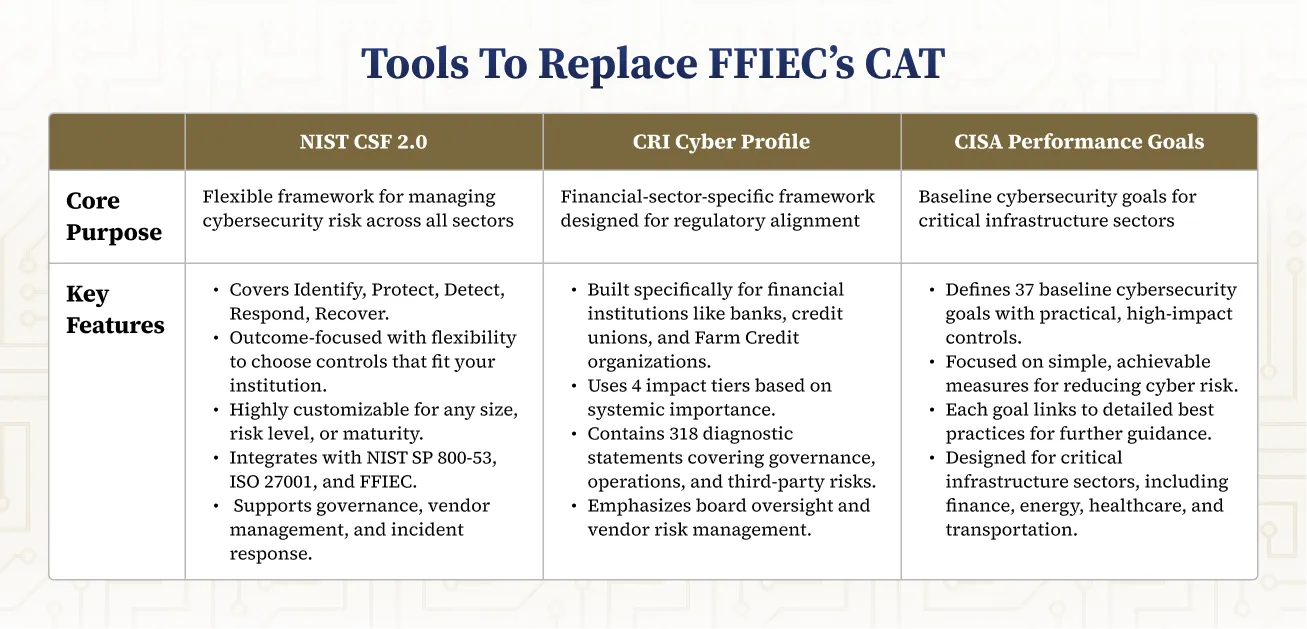
NETBankAudit has seen examiners looking deeply at how institutions have replaced the FFIEC Cybersecurity Assessment Tool (CAT). The transition plan for CAT replacement is now an explicit examiner “check,” and institutions that have handled the transition informally or without documentation are at risk of criticism and required corrective action.
Acceptable and recommended frameworks for CAT replacement are outlined in resources such as our CAT Sunset Prep Guide and CISA Cross-Sector Cybersecurity Performance Goals 2.0.
Getting ahead of the curve by documenting framework selection rationale and demonstrating sound assessment implementation is highly recommended.
What Examiners Are Asking For
Based on recent exams, institutions should be prepared to provide:
- Framework selection rationale that fits the institution’s size, complexity, and risk profile
- Mapping of assessment areas to the selected framework
- Current-state assessment results
- Gaps and remediation plans with timelines and ownership
- Proof that the framework is operationalized in daily practice
Artificial Intelligence: Early Examiner Attention and Practical Observations
AI Governance Is Already Under Review
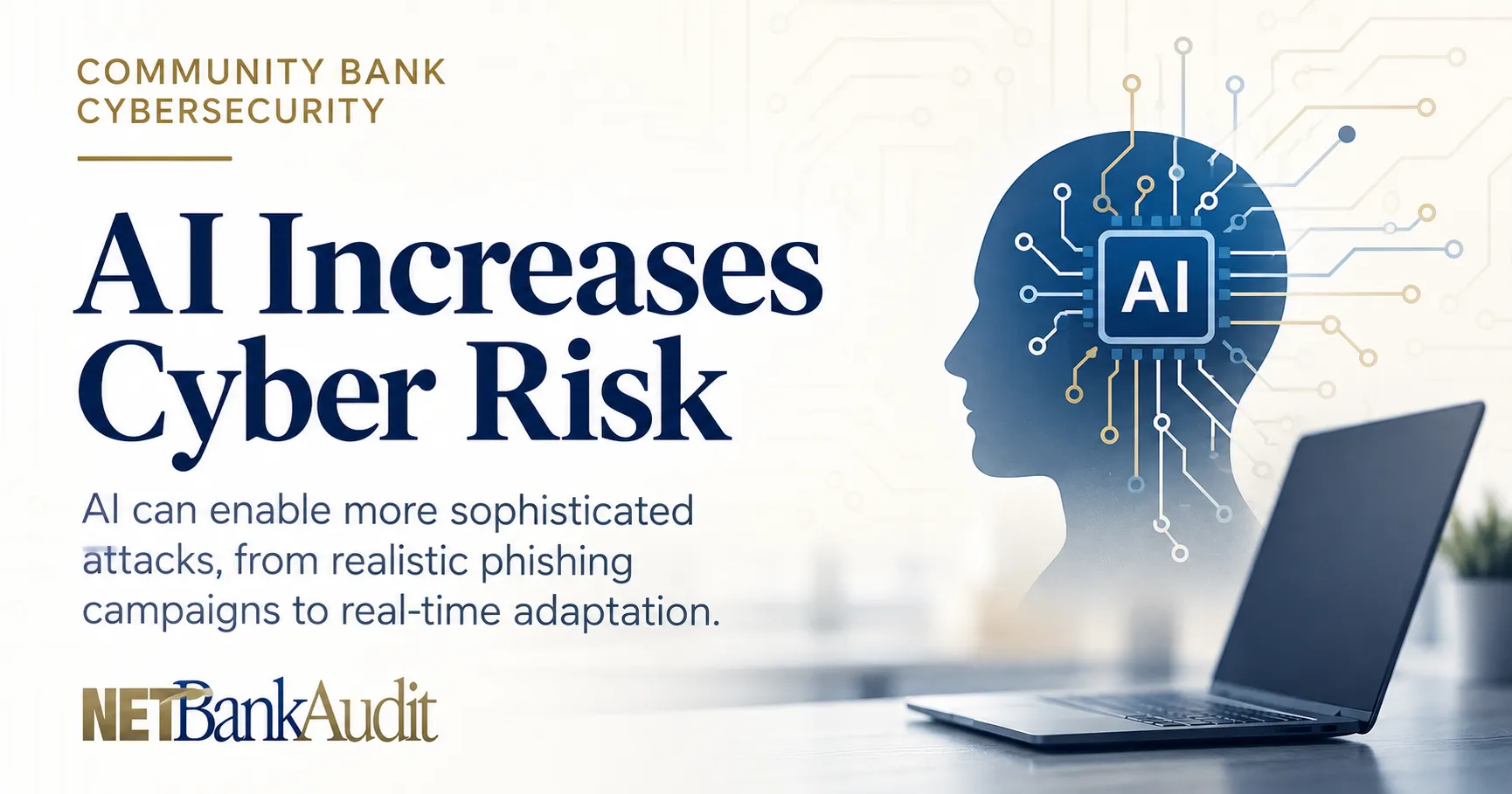
Artificial intelligence is now a discussion point in FDIC IT exams, even though formal regulatory guidance is still lacking. Examiners have responded positively when institutions present AI policies and controls that match their actual level of AI use. The expectation is for “right-sized” governance, if your institution is using AI, even in a limited way, you should have a policy, risk assessment, standards, and procedures that align with your environment and practices.
Examiners have noted that documentation must reflect reality. If a policy says “no AI,” but staff are using AI tools, or if a policy is overly broad without supporting processes, criticism may follow. Governance should scale as AI usage expands, and documentation should be updated accordingly.
For insights on aligning AI controls and risk assessments, see our guides on Generative AI Controls and Risk Assessments and Artificial Intelligence Opportunities and Threats, or watch the BSA Coalition’s AI and fraud webinar.
NETBankAudit’s 2026 Recommendations: Focus Areas for Exam Success
Core Domains to Vet and Strengthen
Based on field observations, institutions preparing for the 2026 FDIC IT exam should ensure that the following domains are appropriately vetted and sound:
- Governance
- Cybersecurity
- Business Continuity
- Vendor Management
- Audit
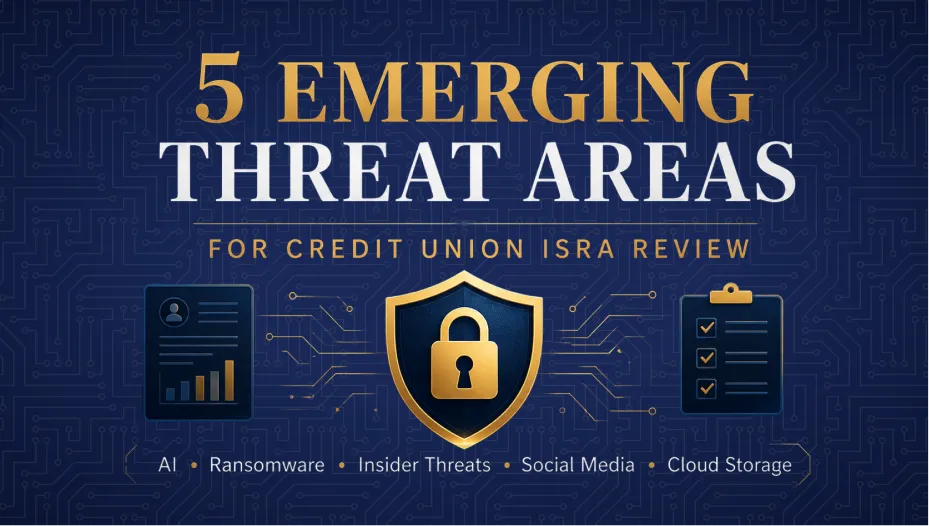
Risk assessments including Cyber/Information Security, Business Continuity, Vendor Management, and Audit will be scrutinized. Trends such as Artificial Intelligence and Ransomware should be adequately addressed.
Action-Oriented Checklist for 2026 Exam Readiness
Institutions can use the following checklist to ensure readiness. These steps reflect what NETBankAudit has seen examiners focus on in recent cycles, and they are designed to help compliance teams avoid surprises:
- Reorganize exam prep artifacts into the five examiner focus areas
- Validate ownership, reporting, and evidence trails for each area
- Confirm risk assessments are current, approved, and tied to controls and testing
- Document framework selection rationale for CAT replacement
- Maintain clear implementation evidence and remediation tracking
- Ensure an AI policy exists if AI is used, and that risk assessment and procedures reflect real usage
Why Work with NETBankAudit for FDIC IT Exam Preparation?
NETBankAudit’s team brings deep expertise in IT audit, regulatory trends, and examiner expectations. Our services help financial institutions navigate evolving requirements, strengthen risk management, and avoid costly examination pitfalls. If your institution needs support preparing for the 2026 FDIC IT exam or wants to benchmark its controls against industry best practices, contact NETBankAudit today.
%201%20(1).svg)
%201.svg)

.svg)





%201.webp)



.webp)
%20(1).webp)

.webp)

.webp)
.webp)
.png)
.webp)

.webp)




.webp)


.webp)

%201.webp)
.webp)
%20(3).webp)


.webp)


%20Works.webp)

.webp)


.webp)
%20(1).webp)

.webp)


.webp)
.webp)

.webp)
.webp)
.webp)
.webp)
.webp)
.webp)
%201.svg)